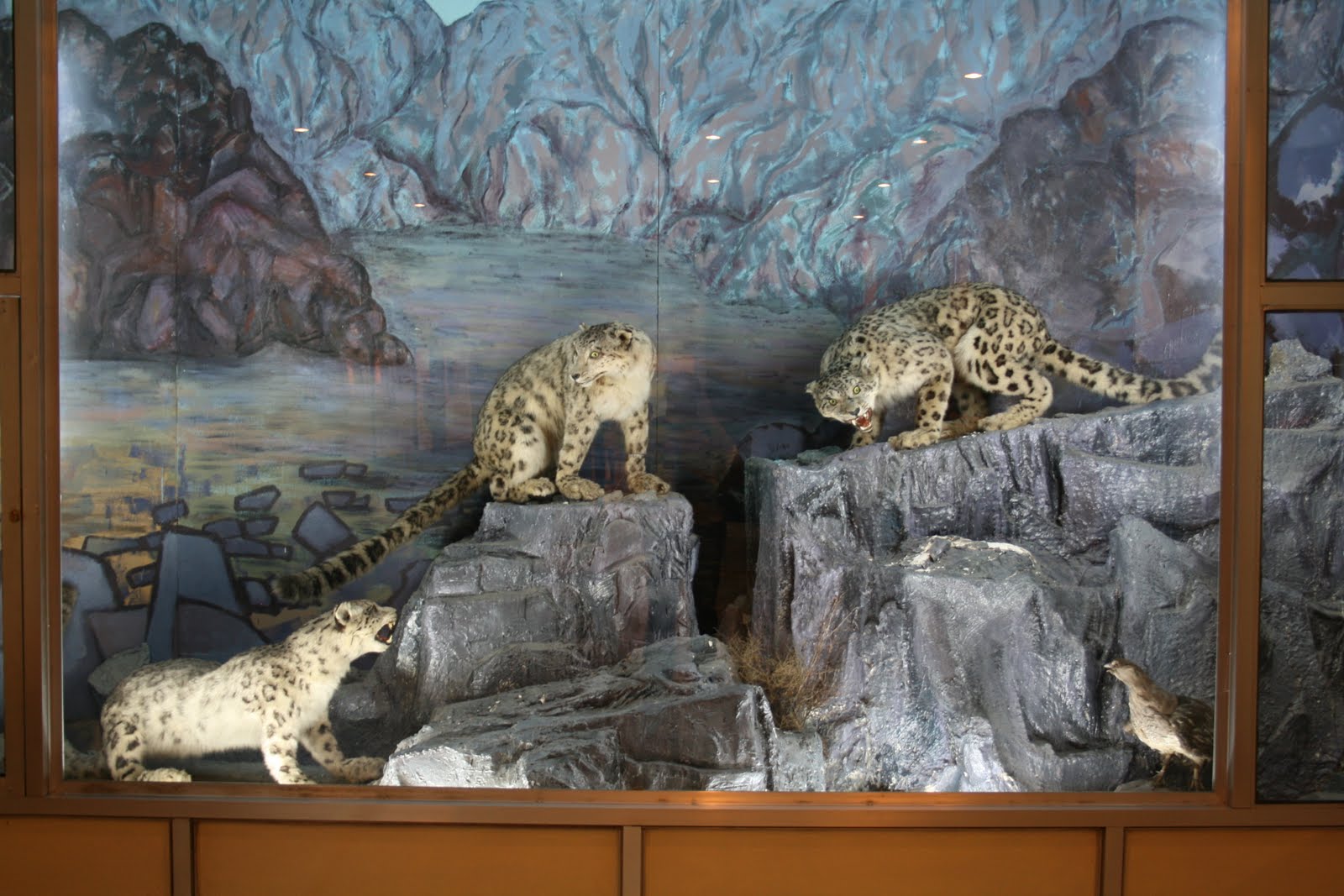
Perhaps the most charismatic of the Mongolian predators is the Snow Leopard, Uncia uncia, seen here at the Natural History Museum in Ulaanbaatar. Sadly I did not get to see one of these great cats, as they are fairly rare and highly reclusive. Continue reading
fieldwork
Gobi Desert Diaries: All creatures great and small, part 1.
In addition to extinct animals, I did get to encounter a variety of extant fauna during my trip to Mongolia. In this post I’ll show some of the reptiles and birds we encountered.
Albertosaurus Bonebed Special Volume
And so it is back to ?serious business on the blog. Today I wanted to bring some attention to a major project in the Currie Lab for the last few years, a special volume of the Canadian Journal of Earth Sciences all about Albertosaurus. The whole glorious volume can be downloaded for free here if you’re coming from a Canadian IP address. Otherwise, your local library may provide access or you can email the very nice authors for a PDF.
 Continue reading
Gobi Desert Diaries: Bugin Tsav
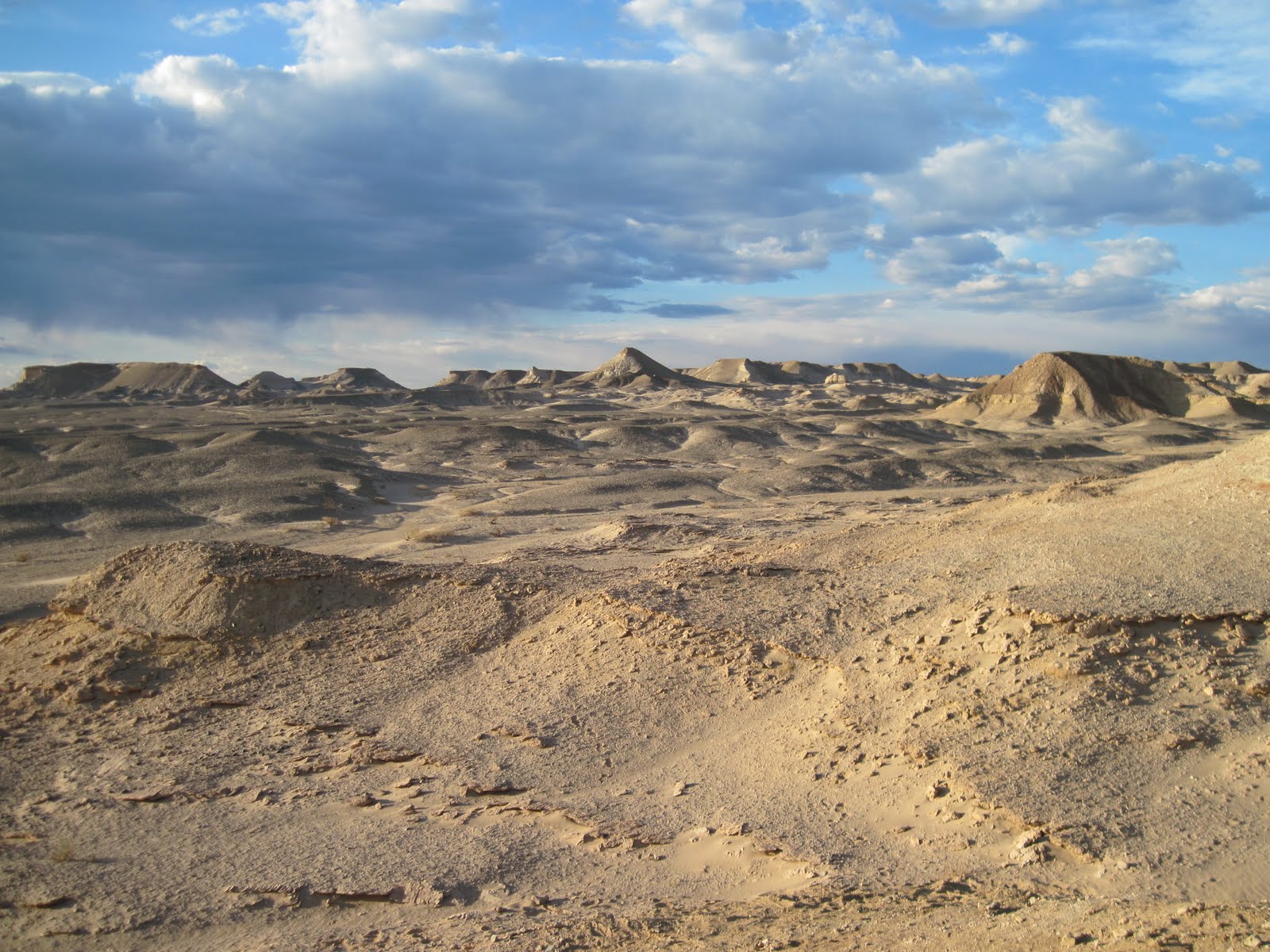
Most of my time in Mongolia this year was spent at Camp Bugin Tsav, to the west of Nemegt and Altan Ula. The landscape is lower here, which makes for slightly easier prospecting – there’s no ridge-hopping when you find yourself in the next canyon over from where you need to be.
Continue reading
Gobi Desert Diaries: Altan Ula
After spending a few days in the Nemegt Basin, we headed to Altan Ula, which has a similar overall feel to the canyonlands of Nemegt.
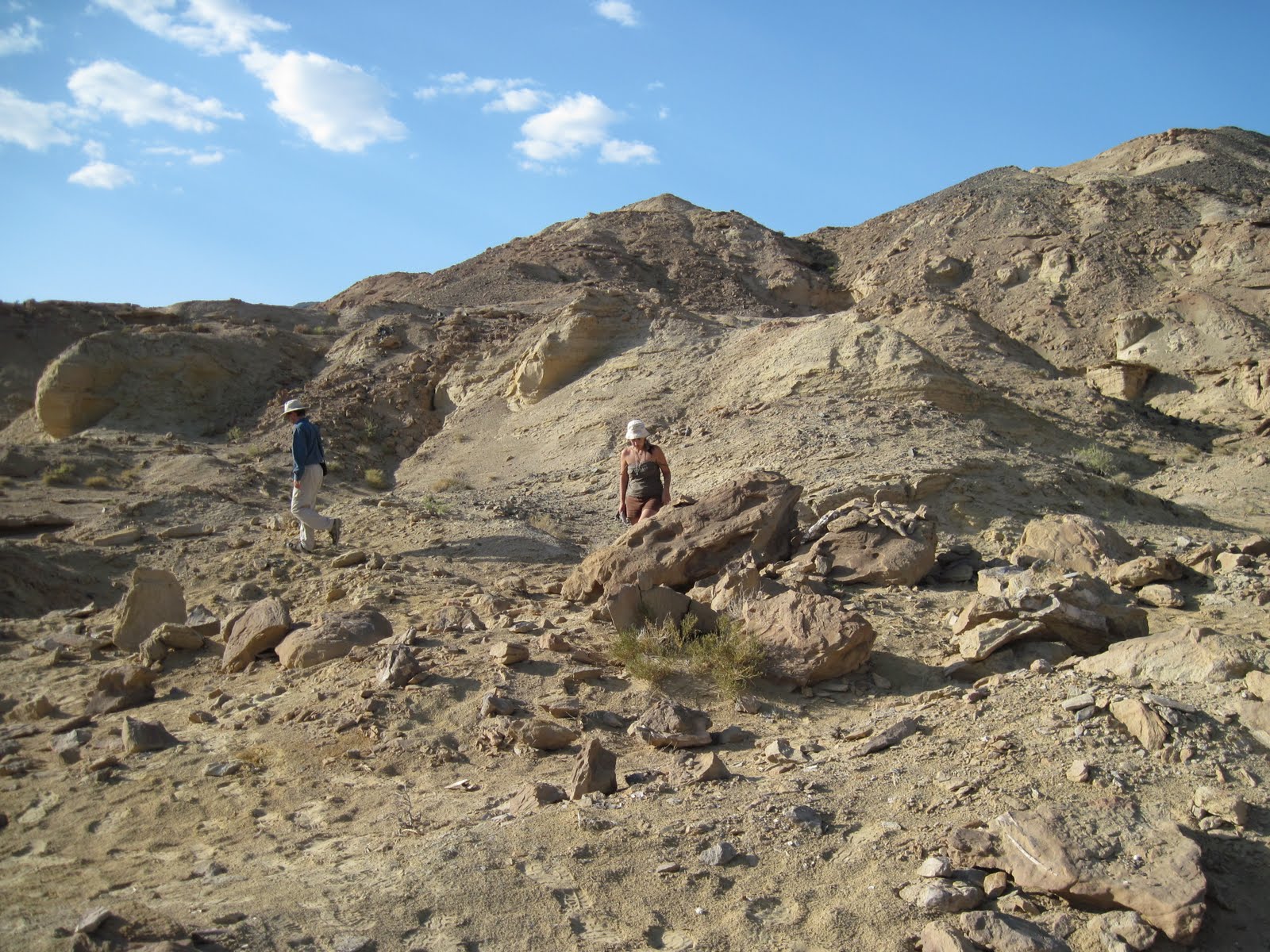
Gobi Desert Diaries, part 1: Nemegt
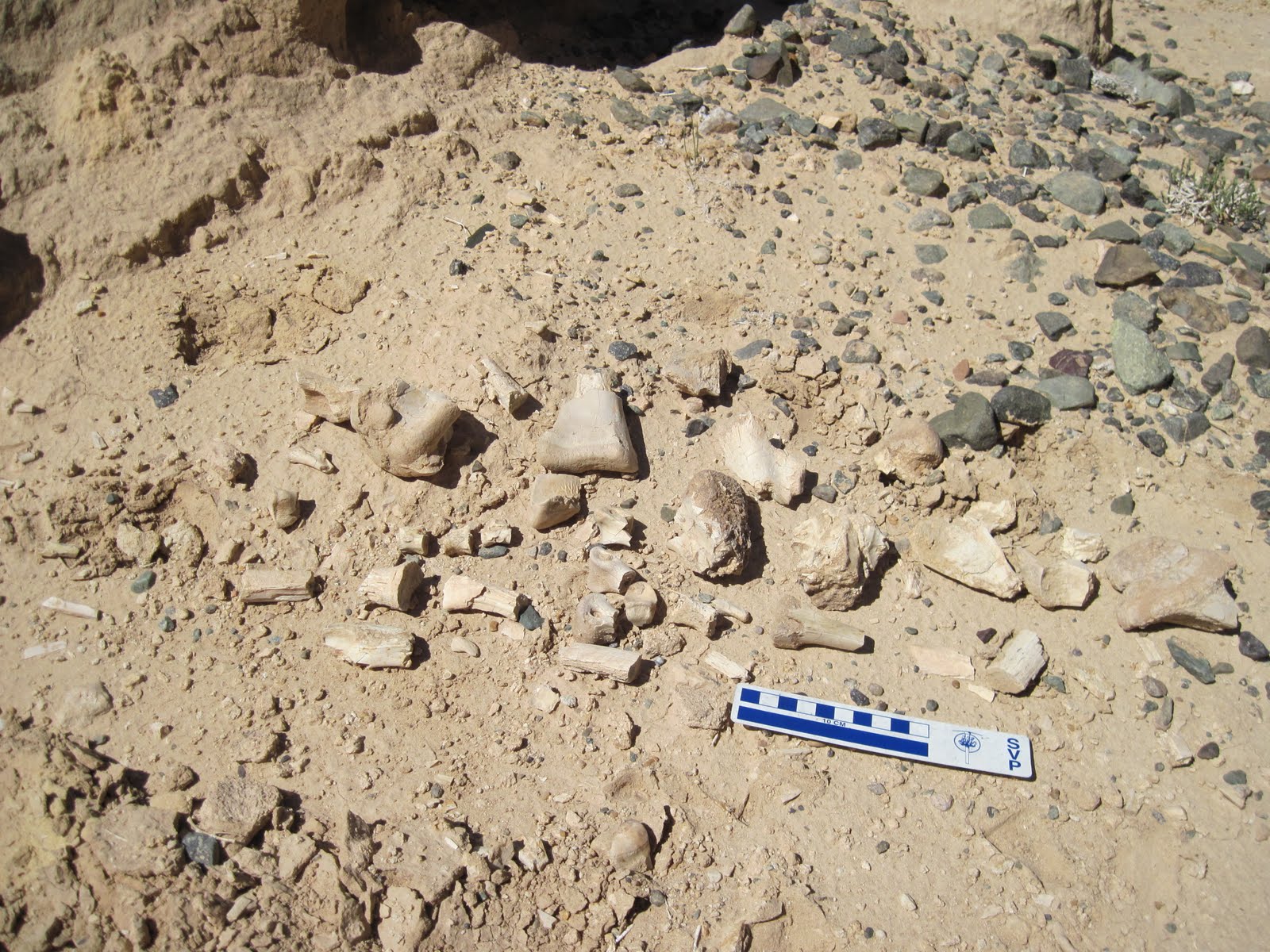
Look, fossils! I promised you there’d be dinosaurs on the blog again eventually.
Continue reading
5 days to go…
The countdown is really on, now!
Here’s a few shots of my previous visit to Mongolia, in August 2007. I feel very lucky to be able to have a second visit to such a wonderful place!
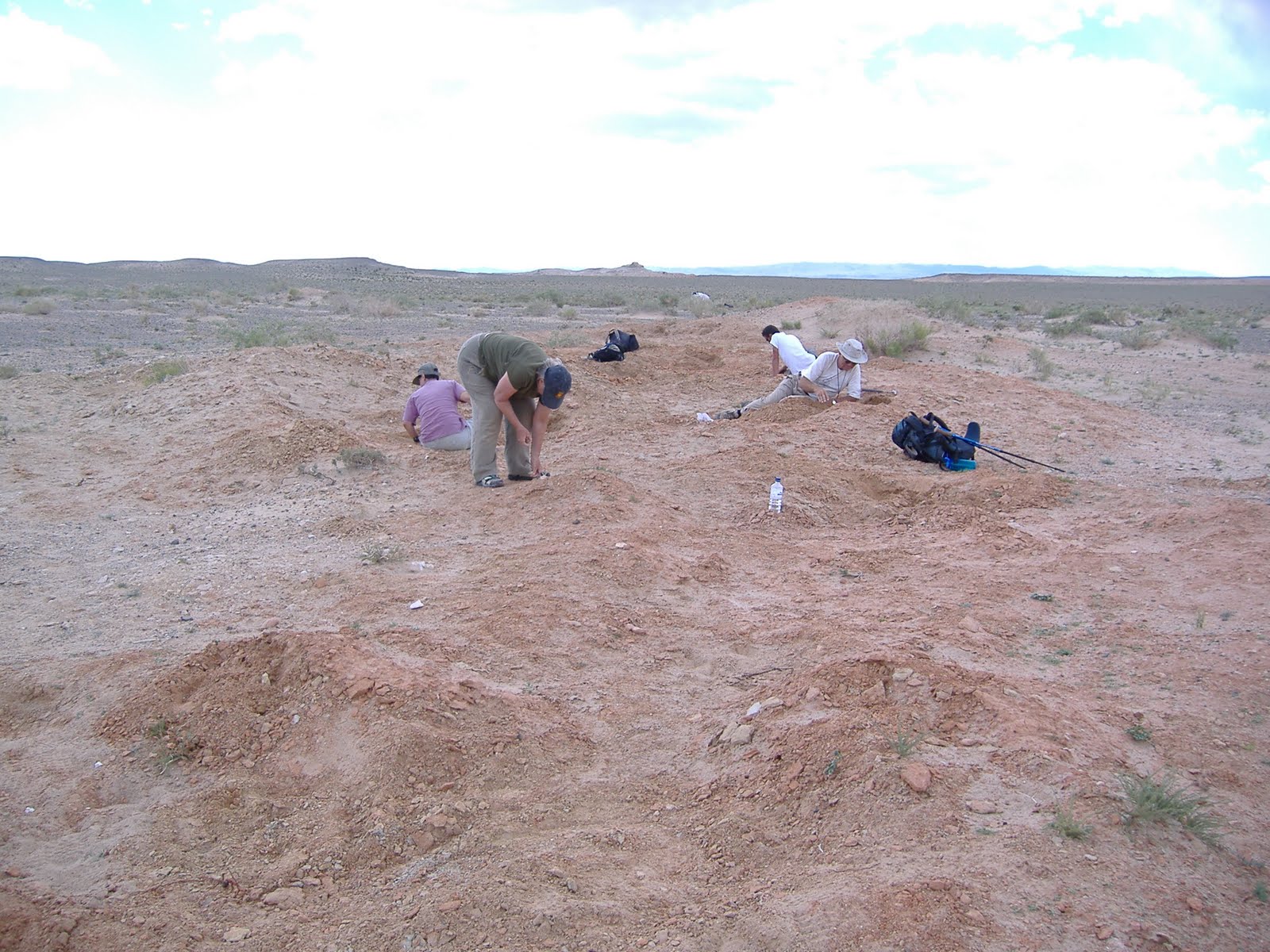 The ankylosaur bonebed Aleg Tag has produced many elements of Pinacosaurus, a small and unusual dinosaur. Unfortunately, the bonebed had been poached before we got there – you can see the small crater-like depressions where bones had been ripped up.
Continue reading
 pseudoplocephalus