After finishing up with the dinosaur hall at the Buenos Aires natural history museum, I was pleasantly surprised to find more dinosaurs when I headed upstairs. I can’t recall a time where I’ve actually seen dinosaurs in the bird gallery – often the dinosaur story ends with the origin of birds, but when the birds are on display it’s usually more about extant bird diversity and conservation. So it was really nice to see the origin of birds explained right at the very beginning of this exhibit. Continue reading →
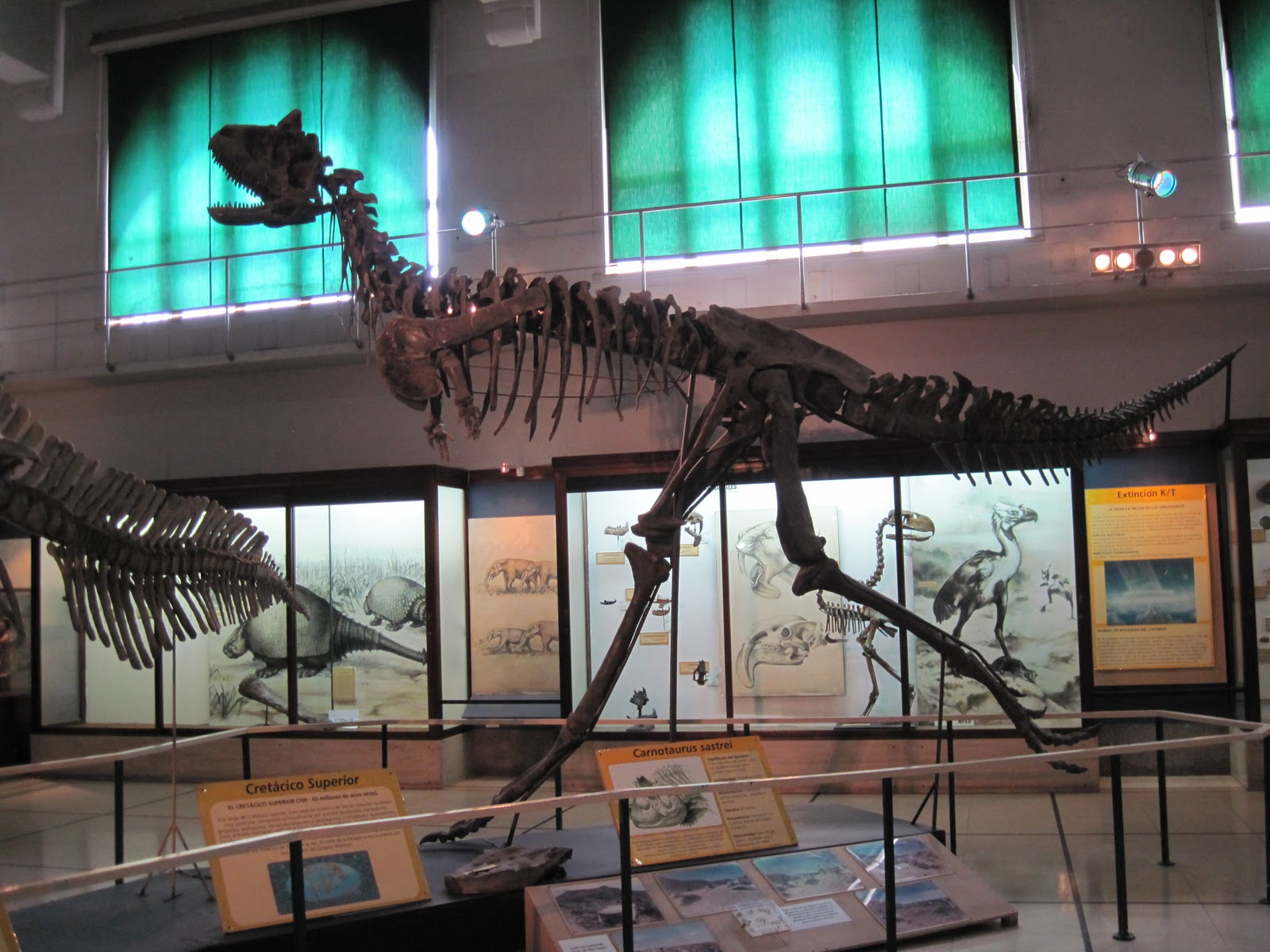
After a little break over the holidays, let’s finish up these Argentina posts, shall we? After my research visits to the Museo Carmen Funes, Museo Carlos Ameghino, and Museo de La Plata, it was nice to be able to visit the main natural history museum in Buenos Aires as just a tourist. If you’re in Buenos Aires, it’s well worth a visit.
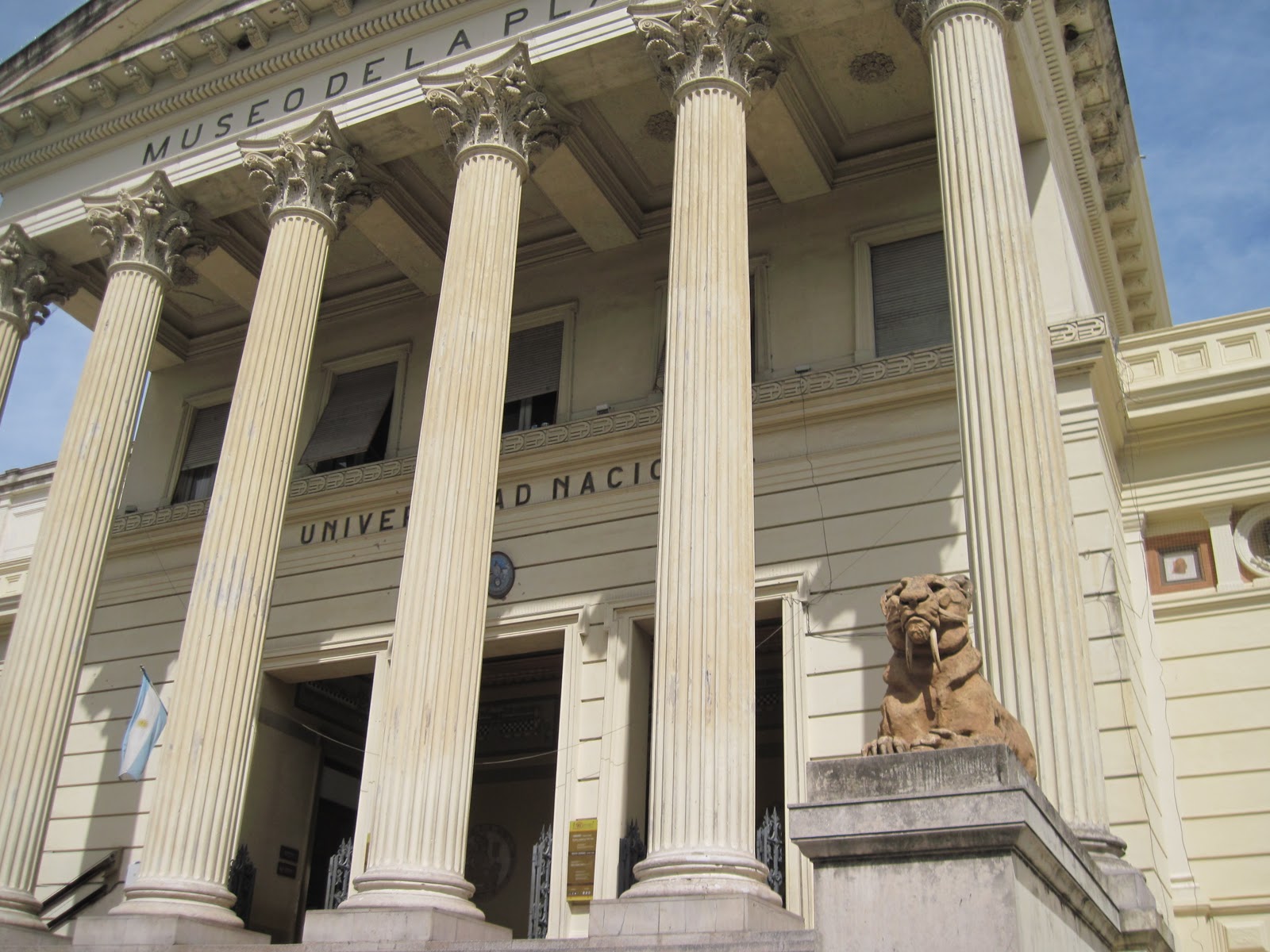
Those regal cats at the entrance to the Museo de La Plata aren’t just any ol’ big cats – look closely and you’ll see that a pair of Smilodon greet you at this museum. Continue reading →
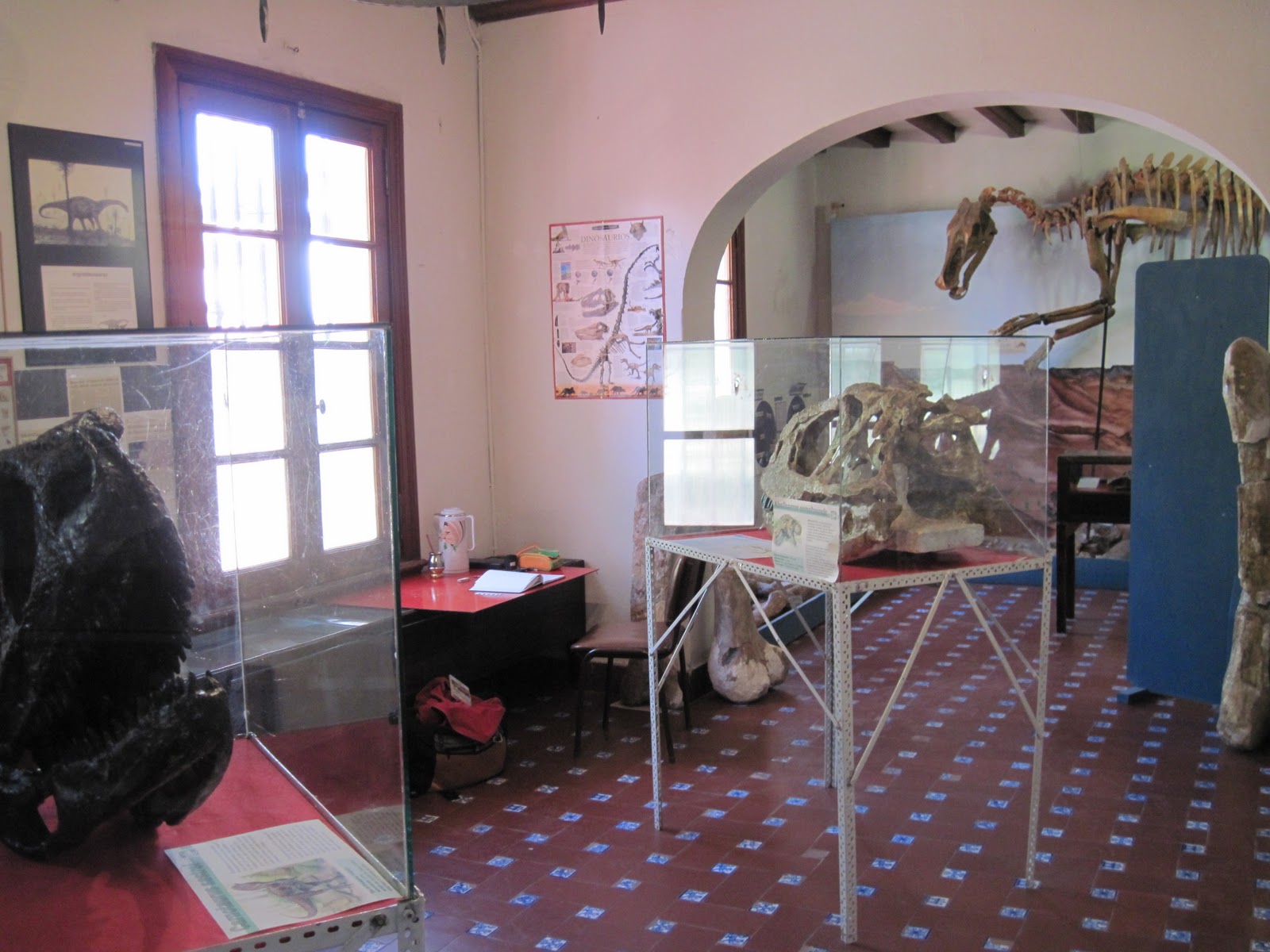
From the Museo Carmen Funes I headed to the town of Cipoletti to visit the Museo Carlos Ameghino. This is the home of an unnamed ankylosaur collected from Argentina, and it was great to be able to check this material out for myself. Gondwanan ankylosaurs are relatively rare; in addition to this specimen, there’s Minmi from Australia, fragmentary remains from New Zealand, and Antarctopelta from Antarctica. Continue reading →
After my Argentinian fieldwork finished up, the crew headed to Plaza Huincal, and the Museo Carmen Funes, home of the giant sauropod Argentinosaurus and the also giant theropod Mapusaurus. I thought I would share some photos of some perhaps less well known Argentinian dinosaurs displayed in their galleries.
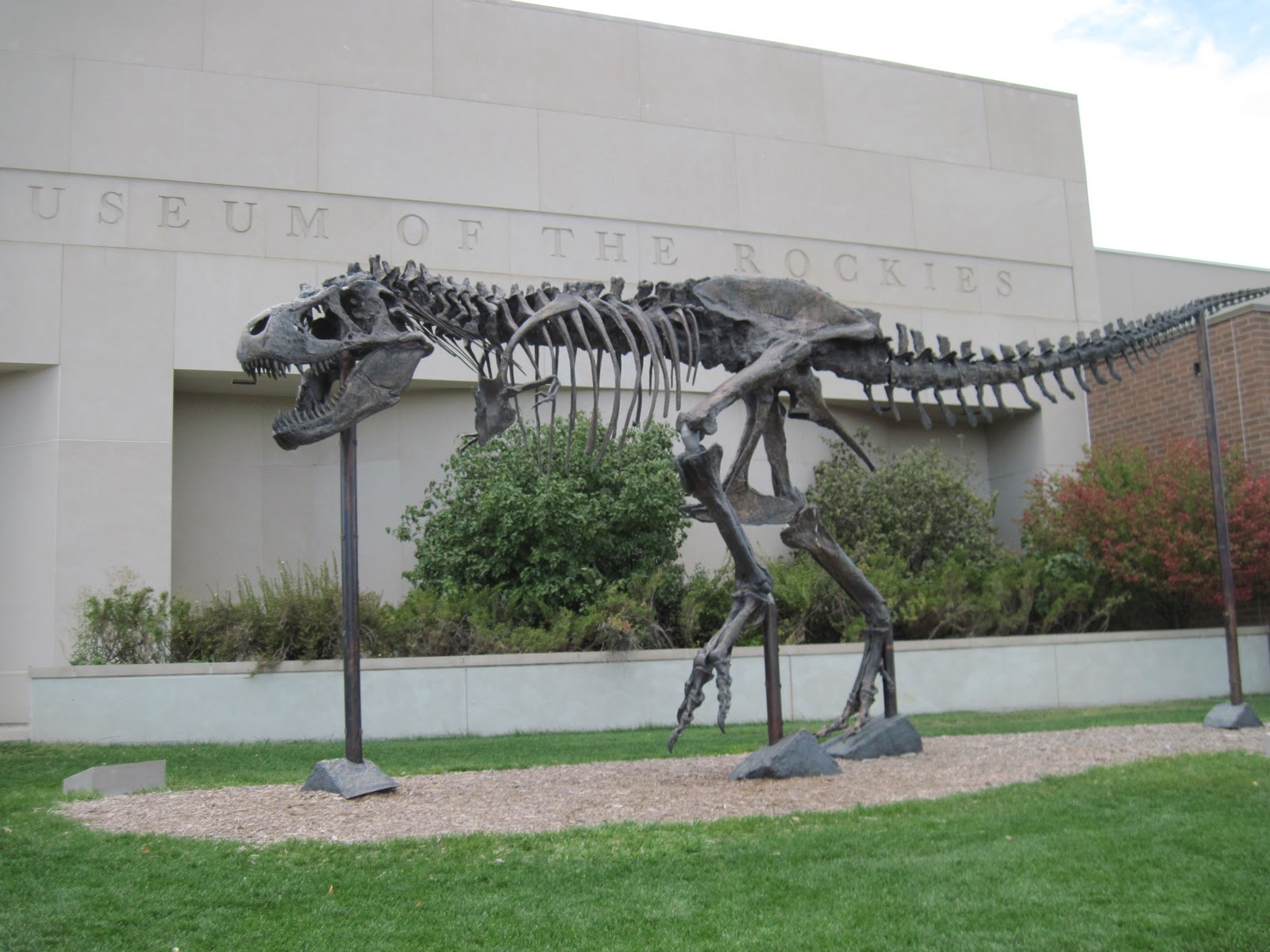
I spent the better part of last week studying ankylosaur material from Montana at the Museum of the Rockies in Bozeman, Montana. Many thanks to all of the MOR and MSU grad students for their hospitality during my stay! Continue reading →
After the talks had ended on the first day of the Hadrosaur Symposium, I had a bit of free time to visit the galleries, which I hadn’t seen in about a year and a half. I was expecting the Alberta Unearthed: 25 Years of Discovery exhibit, but was delighted by this unexpected surprise: a short, but excellent, exhibit on women in palaeontology!
Located on the ramp up to the Darwin exhibit after you exit Lords of the Land, the exhibit consists of 19 or 20 profiles of female palaeontologists. Each framed image included a photo, a brief biography, and an image of a representative specimen or field locality (example above featuring Dr. Betsy Nicholls). I was particularly pleased to see that the Tyrrell had attempted to include women of many different races, nationalities, ages, and career stages, studying a variety of taxa and using many different techniques.
I was particularly intrigued the quote from Naomi Oreskes below the exhibit title, “The question is not why there haven’t been more women in science, the question is rather why we have not heard more about them.” Dr. Oreskes is a historian of science at University of California at San Diego, and her paper “Objectivity or Heroism? The Invisibility of Women in Science” is well worth a read (and really, go read it – palaeontology is all about heroism). It’s a sentiment that I share and that I’ve discussed before: although there may not be an equal ratio of women:men in palaeontology yet, we’re definitely getting closer, so why don’t we seem to be as visible as the men? It is certainly up to us to speak up for ourselves, but it’s really, really nice to see a major institution like the Tyrrell stepping up and hosting an exhibit like this.
I hope that at least some people will take the time to stop and read some of the biographies on their way to the fossils – if I had one complaint, it is that because the exhibit consists only of pictures in a hallway leading to the main exhibits, that it may be easily passed over. If specimens had been incorporated somehow, as they were with the Great Minds, Fresh Finds exhibit (showcasing the work of the museum’s scientists), that might have been able to grab more attention. Sadly, most people walking through this hallway while I was present would pause for a moment at the entrance, but then skip on through the rest of the exhibit. I realize that space constraints probably would not permit anything more than what they have done, however, and the exhibit is pleasant to look at and rewarding for those who take some time to read the biographies. In particular, I hope school groups take advantage of it and that teachers incorporate questions about female scientists into their activities.
I’ll finish here with a very nice video produced by the Tyrrell, featuring Dr. Don Brinkman discussing the work of Dr. Betsy Nicholls, who was a curator at the museum until her death in 2004 and whose work is featured in the Triassic Giant gallery.
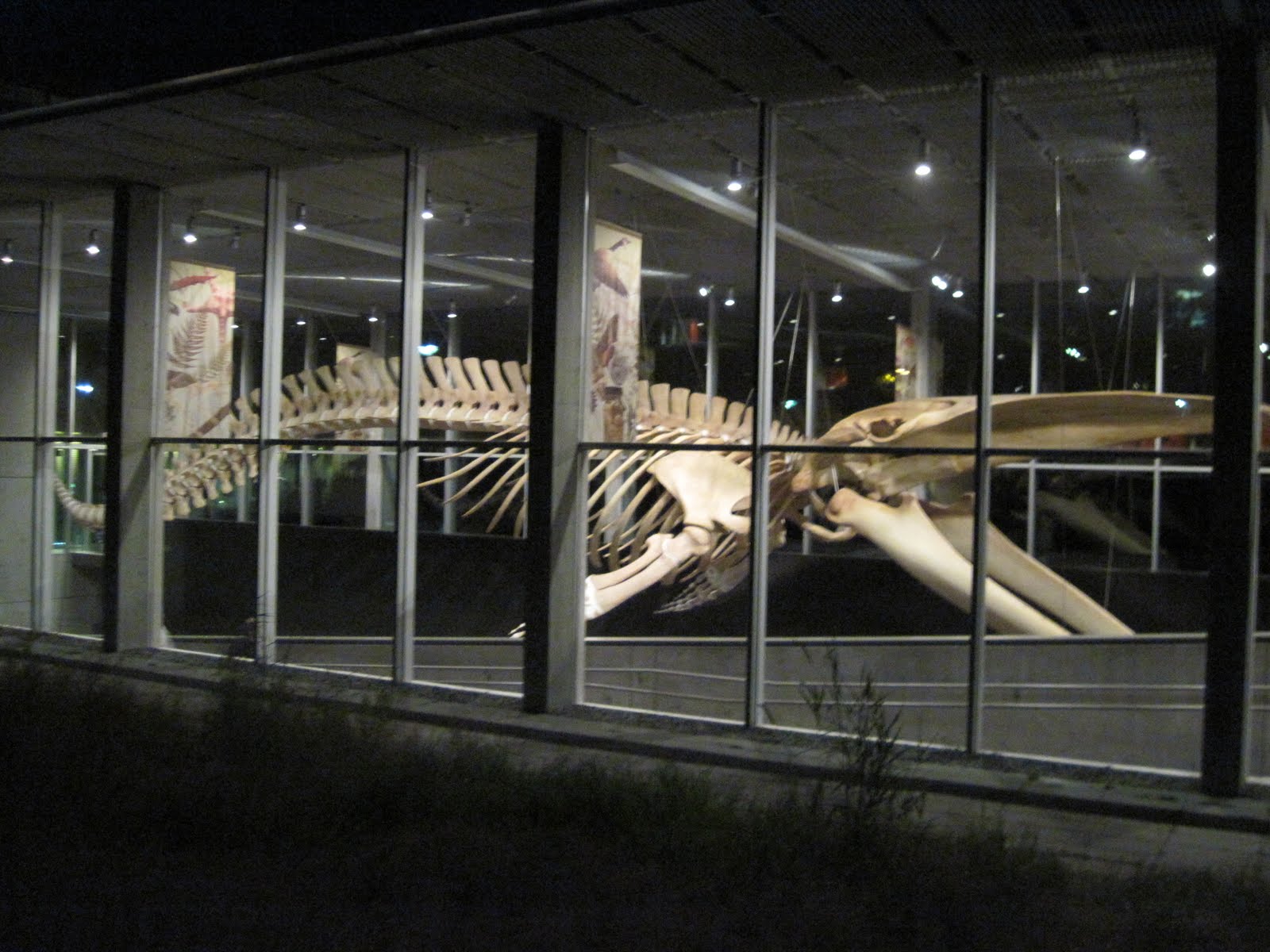
The Canadian Paleontology Conference I attended over the weekend was held at the University of British Columbia campus in Vancouver, and the public lecture, talks, posters, and banquet were all held in the Beaty Biodiversity Museum.
I’m back from a vacation to visit various family members scattered around the globe, including a stop in Toronto. It was time for a long overdue visit to the Ontario Science Centre, which I hadn’t visited since I was in my early teens, but which was one of my very favourite places when I was younger.
The Ontario Science Centre was built in 1969 and was a pretty revolutionary place at the time, as instead of the stereotypical ‘static’ museum displays pretty much everything was hands-on in some way. There are great exhibits on astronomy and the human body, an indoor rainforest with some really cool poison dart frogs, a fin whale skeleton, and the Science Arcade, which is probably one of the most fun science exhibits to play in. Continue reading →



 pseudoplocephalus