There. I said it. I liked Dinosaur Revolution.
http://schemas.google.com/blogger/2008/kind#post

Beaty Biodiversity Museum
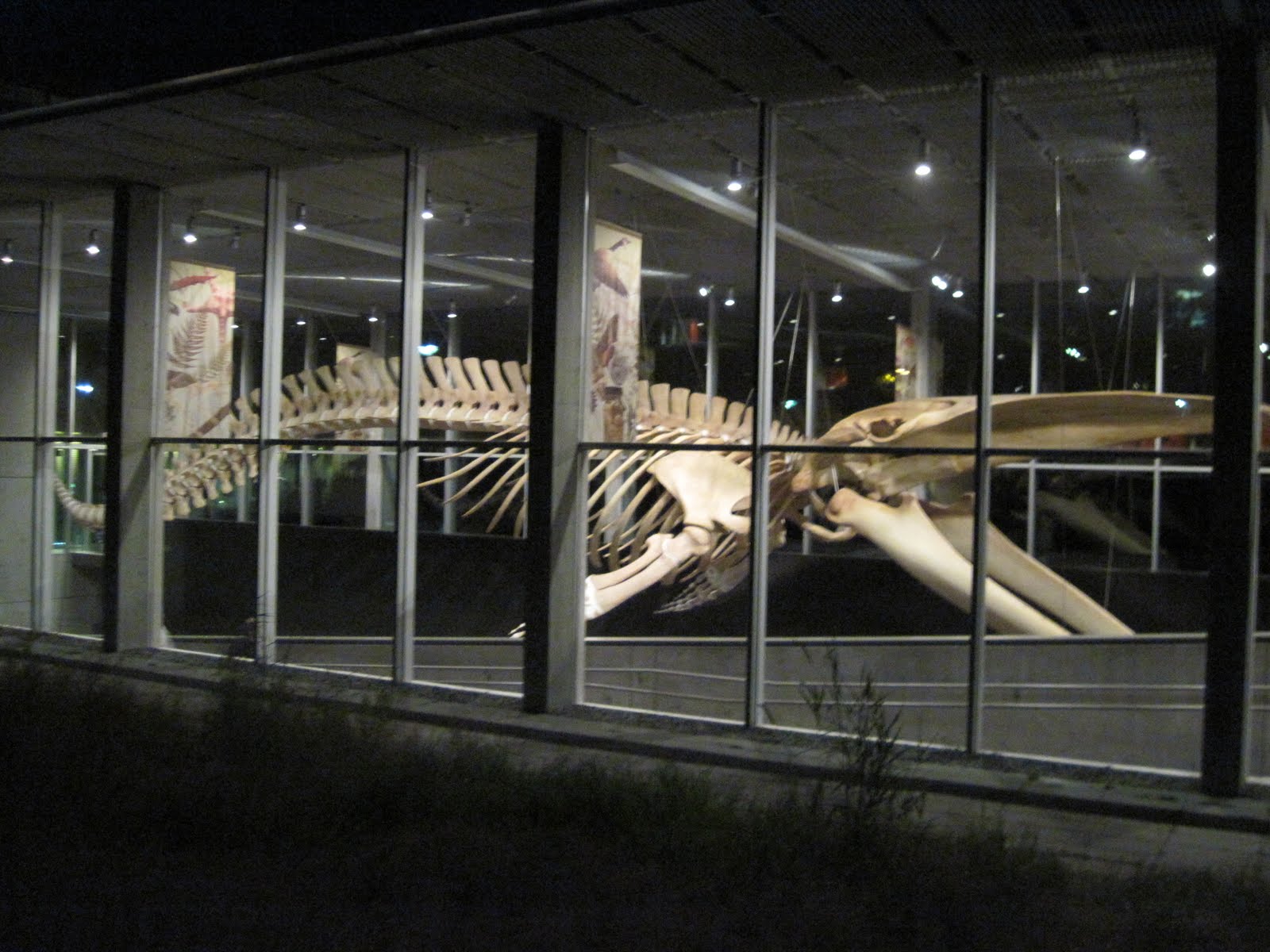
The Canadian Paleontology Conference I attended over the weekend was held at the University of British Columbia campus in Vancouver, and the public lecture, talks, posters, and banquet were all held in the Beaty Biodiversity Museum.
Nanaimo Group Field Trip
I’ve just returned from the Canadian Paleontology Conference, which was held at the University of British Columbia in Vancouver, BC. I participated in the field trip to Vancouver Island, where we explored Nanaimo Group outcrops. Gwawinapterus was collected from Nanaimo Group rocks on Hornby Island, and although we didn’t get out to Hornby, we did check out several other formations and localities. Here’s a few highlights from the trip!

Dino Gangs
I’m late to the party again with the recent spate of dino documentaries, but I thought I’d review a couple here on the blog over the next few weeks. Today I wanted to take a look at Dino Gangs, a documentary featuring my PhD supervisor Dr. Phil Currie as well as several scientists from the Royal Tyrrell Museum.
Continue reading
A Return Visit to the Jurassic Forest
Last fall I visited the newly-opened Jurassic Forest and enjoyed it very much. However, because winter arrives early in Edmonton, the leaves had already fallen and the dinosaurs were quite snowy! Today I spent some time showing off ankylosaur fossils and casts with visitors at the forest, and had a chance to see the dinosaur trails in their summer greener. Here’s a few new photos from the forest!
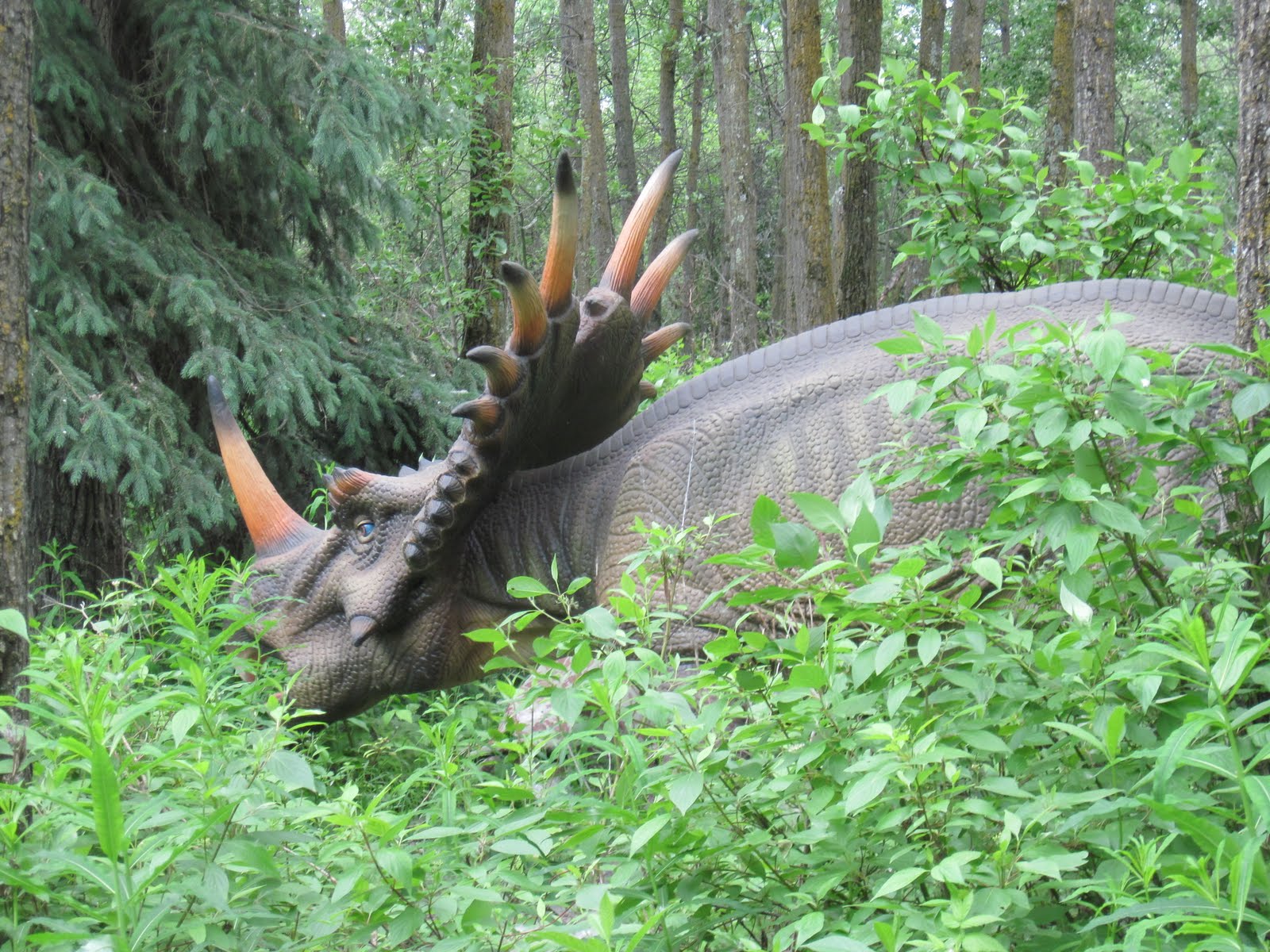 Styracosaurus looks like it’s in its natural environment. Continue reading
The Ontario Science Centre
I’m back from a vacation to visit various family members scattered around the globe, including a stop in Toronto. It was time for a long overdue visit to the Ontario Science Centre, which I hadn’t visited since I was in my early teens, but which was one of my very favourite places when I was younger.
The Ontario Science Centre was built in 1969 and was a pretty revolutionary place at the time, as instead of the stereotypical ‘static’ museum displays pretty much everything was hands-on in some way. There are great exhibits on astronomy and the human body, an indoor rainforest with some really cool poison dart frogs, a fin whale skeleton, and the Science Arcade, which is probably one of the most fun science exhibits to play in. Continue reading
The World’s Largest Dinosaurs!
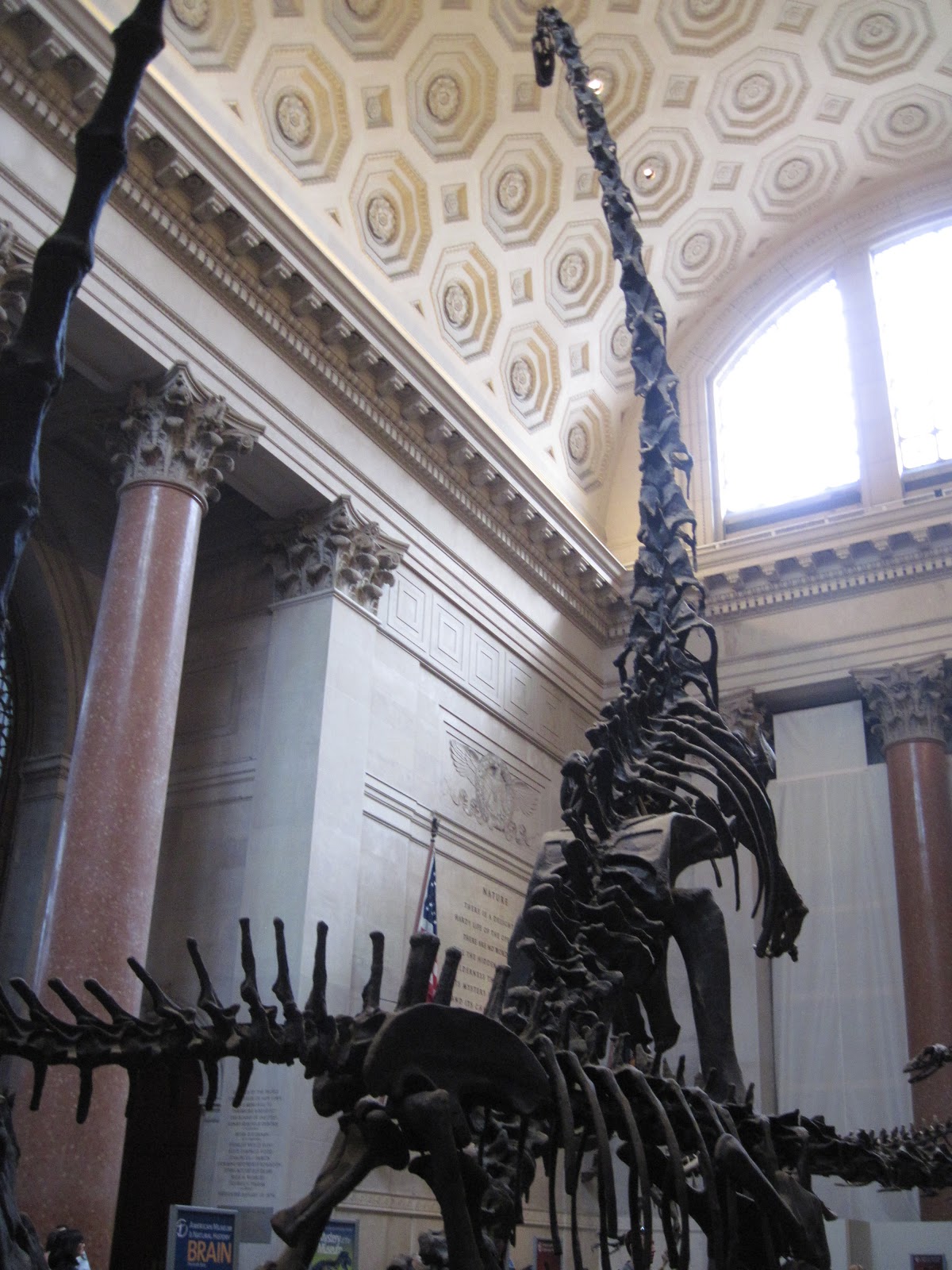
After my visit to the Smithsonian I popped over to New York to spend some time at the AMNH. As luck would have it, the special exhibit The World’s Largest Dinosaurs had just opened a few weeks ago.
Name That Specimen, Smithsonian Edition
The fossil halls at the Smithsonian were great fun, but do you know what might have been my next most favourite hall? The Hall of Bones! I am not sure I have ever seen so many non-mammal skeletons on display. I also liked how a lot of the displays highlighted anatomy and functional morphology. The whole thing was just deliciously old-school museum in all the best ways: detailed, focused, and elegantly presented. In a way it was like stepping into a 3-dimensional anatomy textbook, but more fun because here are the bones right in front of you that you can see from all kinds of different angles, and compare easily.
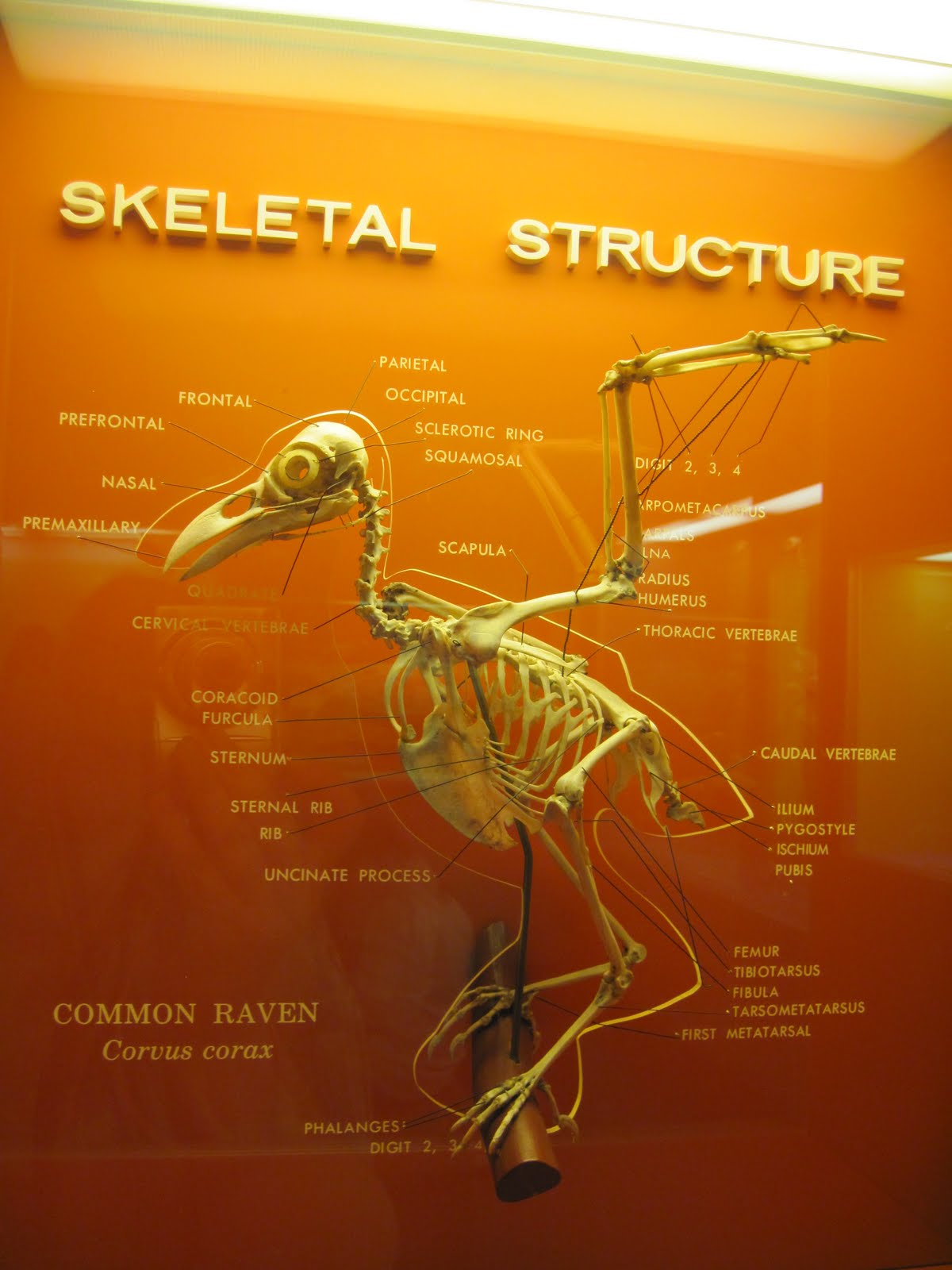
Look at that…whatever it is.
I had an unsettling moment today when it occurred to me that, perhaps, people don’t learn anything from museums.
I hope this is not true. I say this after having visited the marvellous Smithsonian Museum of Natural History, spending about 5 hours today perusing the galleries and shamelessly eavesdropping on people’s reactions to the exhibits. Kids were certainly excited about the exhibits and eagerly pointed things out to their parents. But what sorts of things did I overhear parents saying to their children? Continue reading
The winter term draws to a close, the fossils come out of hiding one last time.
We are very fortunate at the University of Alberta to offer several courses in Palaeontology (and not just through zoology or biology – they get their own PALEO course code). PALEO 418 and 419 cover vertebrate palaeontology in lecture and lab format, PALEO 414 focuses more on invertebrate paleontology and functional morphology, and PALEO 400 is a field school held right in Edmonton at the Danek hadrosaur bonebed. Continue reading
 pseudoplocephalus