A long list of dragons.

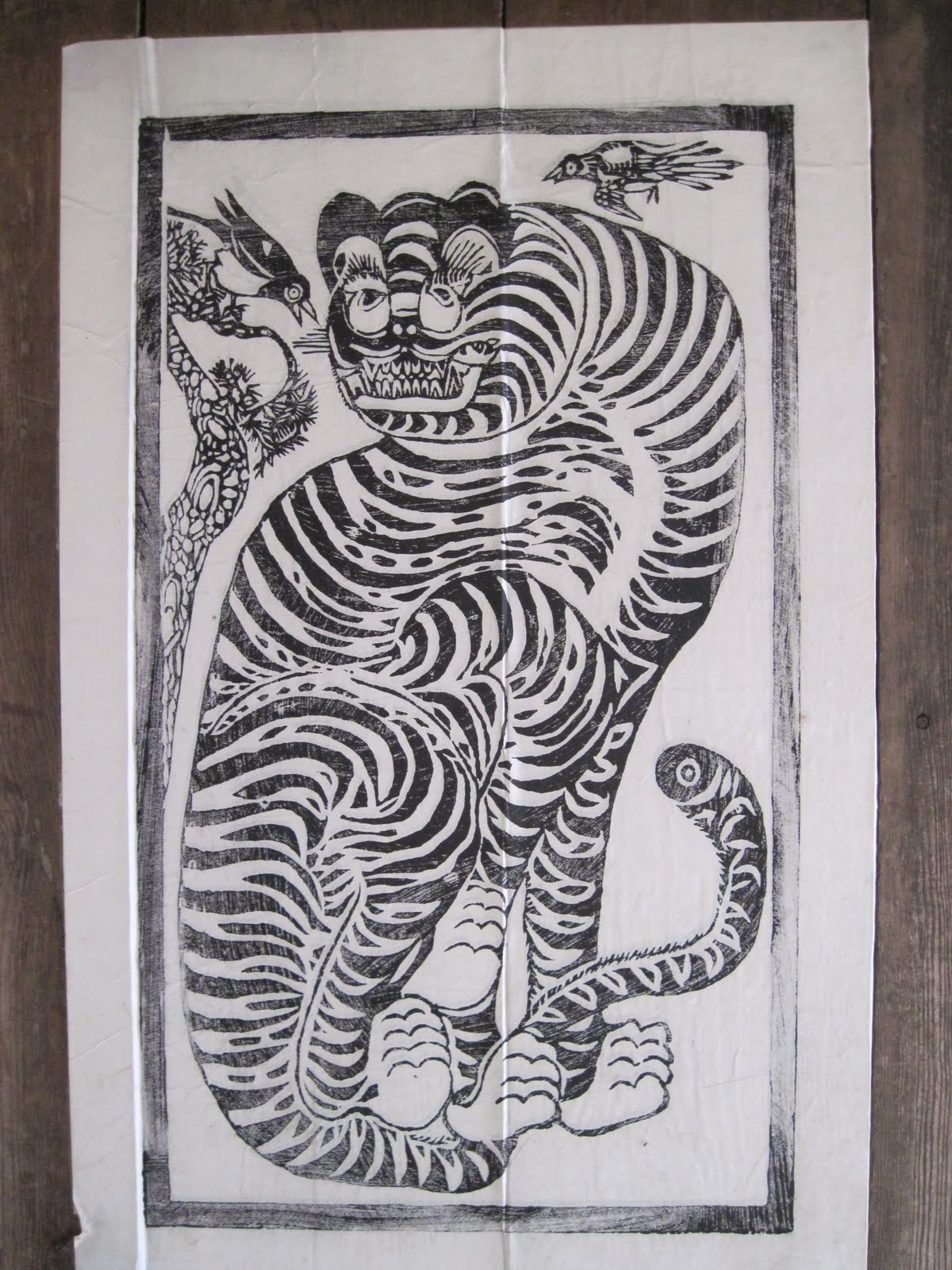
Lots of Chinese dinosaurs often incorporate the word ‘long’ into the genus or species name – Banji long (an oviraptorid), Beishanlong (an ornithomimosaur), Dilong (a tyrannosaur), Guanlong (another tyrannosaur), Mei long (a troodontid), Qiaowanlong (a brachiosaurid), Shaochilong (a carcharodontosaurid), Tianyulong (a heterodontosaurid), Yinlong (a ceratopsian), and Xiongguanlong (yet another tyrannosaur). I’m sure I am missing some, but you get the idea. China loves their dragons. Growing up I was a huge, huge fan of dragons of all sorts (perhaps resulting from my love of dinosaurs), and so it was really excellent to see so many varieties of Chinese dragons during my stay in Beijing. Here’s a few of my favourites and where I found them.

Turtle dragon at Bei Hai Park.
Continue reading

Korean Folk Village, part 3: in which there is general silliness


For an extra 3000 won (about $3) you could go in the Korean haunted house! Spooky! It was just about the best 3000 won I’ve ever spent. Winding through dark corridors you would occasionally set off a blacklight-lit scene with little animatronics. Spooky characters included a bat eating a person, giant Arthropleura-like centipedes, someone getting pounded to death in a grain mill, and a snake coiling around a person. There were frequent appearances by a monster with a red face and a horn coming out of its forehead – presumably a monster from Korean folklore?
Continue reading

Korean Folk Village, part 1: in which there is edutainment


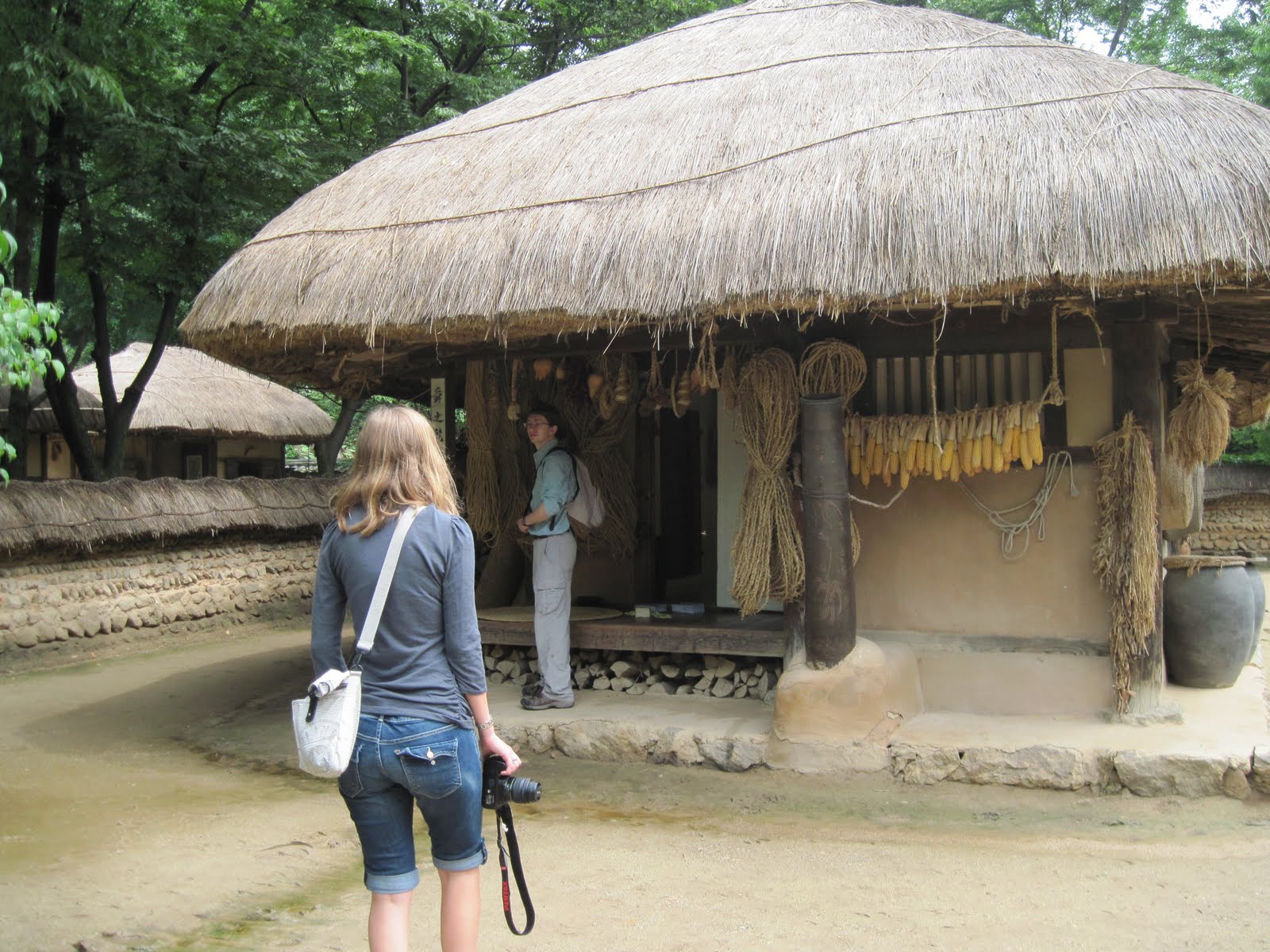
Last Saturday we headed in to Suwon to visit the Korean Folk Village. I would highly recommend making the trip in to Suwon if you’re ever visiting Seoul or other nearby cities in Korea. The village is a reconstruction of many different styles and types of Korean buildings – scholar’s homes, temples, palaces, governor’s mansions, or the farmer’s thatched roof cottage (THATCHED ROOF COTTAGES!) shown here. There are so many interactive elements to the whole place – you can learn to make paper, straw sandals, and pottery, or you can try your hand at farm machinery, try catching a mudloach, wear traditional clothes, sit in a palanquin, and tons of other little activities. The three of us learned a lot about traditional Korean culture, AND had a lot of fun – true edutainment. The whole place is a little bit like Fortress Louisbourg in Cape Breton, or Fort Edmonton Park.
Continue reading

The role of natural history museums.

Regular work was put on hold on Friday as the museum hosted a pretty sizable conference, the International Symposium on National Natural History Museum in Gyeonggi Province. Korea currently does not have a such a museum, and one proposal is to situate the museum near the current lab and visitor centre at the egg site. The presenters included the director of the Natural History Museum in London, the director of the Museum National D’Histoire Naturelle in Paris, and the social science analyst at the Smithsonian in Washington, as well as several researchers from Korea. Continue reading